Hayabusa Clutch Fibers and Steels | Suzuki OEM
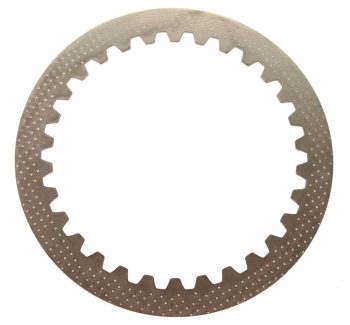
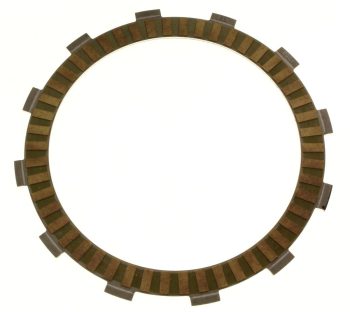
Suzuki OEM Hayabusa Clutch Steels and Fibers are sold individually. The Fitment list below shows the required clutch plates for each Hayabusa model. HAYABUSA GEN1 (1999-2001) KIT = 10 Fibers / 9 Steels 21441-24F00 / Clutch Fiber – Thin (#1 / 3.0mm / Req. 8) 21441-24F10 / Clutch Fiber – Thick (#2 / 3.8mm / Req. 2) 21451-24F00 / Clutch Steel – Thin (#1 / 2.0mm / Req. 7) 21451-24F10 / Clutch Steel – Thick (#2 / 2.3mm / Req. 2) HAYABUSA GEN1 (2002-2007) KIT = 11 Fibers / 9 Steels 21441-24F00 / Clutch Fiber – Thin (#1 / 3.0mm / Req. 8) 21441-24F10 / Clutch Fiber – Thick (#2 / 3.8mm / Req. 2) 21442-24F00 / Clutch Fiber – Thick (#3 / 3.8mm / Req. 1) 21451-24F00 / Clutch Steel – Thin (#1 / 2.0mm / Req. 7) 21451-24F10 / Clutch Steel – Thick (#2 / 2.3mm / Req. 2) HAYABUSA GEN2 (2008-2020) KIT = 10 Fibers / 9 Steels 21441-24F30 / Clutch Fiber – Thin (#1 / 3.0mm / Req. 8) 21441-24F10 / Clutch Fiber – Thick (#2 / 3.8mm / Req. 1) 21442-24F00 / Clutch Fiber – Thick (#3 / 3.8mm / Req. 1) 21451-24F00 / Clutch Steel – Thin (#1 / 2.0mm / Req. 7) 21451-24F10 / Clutch Steel – Thick (#2 / 2.3mm / Req. 2) HAYABUSA GEN3 (2022 ) KIT = 10 Fibers / 9 Steels 21441-24F50 / Clutch Fiber -Thin (#1 / 3.0mm / Req. 7) 21442-31J00 / Clutch Fiber – Thick (#2 / 3.8mm / Req. 3) 21451-24F00 / Clutch Steel – Thin (#1 / 2.0mm / Req. 7) 21451-24F20 / Clutch Steel – Thick (#1 / 2.0mm / Req. 8) 21452-31J00 / Clutch Steel – Thin (#1 / 2.0mm / Req. 9) What is a Motorcycle Clutch Steel? A motorcycle clutch steel, also known as a clutch plate or clutch friction plate, is another critical component of a motorcycle’s clutch system. It works in conjunction with the clutch fiber (friction plate) to facilitate the engagement and disengagement of the engine’s power to the transmission. The clutch steel is a metal plate typically made from high-quality steel or sometimes aluminum. Unlike the clutch fiber, the clutch steel does not have a high-friction surface. Instead, it has a smooth surface that allows it to slide against other clutch components, particularly the clutch fibers. The clutch steel is installed alternately with the clutch fibers in the clutch assembly. When the rider pulls the clutch lever, springs press the clutch fibers against the clutch steel plates. This pressing action creates friction between the clutch fiber and the smooth surface of the clutch steel, causing the engine’s power to be temporarily disengaged from the transmission. As the clutch lever is released, the springs push the clutch fibers away from the clutch steel, and the friction between the two components decreases. This allows the clutch to engage, transmitting the engine’s power to the transmission and eventually to the motorcycle’s wheels. Like the clutch fibers, the steel can also wear out over time due to the friction and heat generated during regular clutch operation. Inspecting and replacing worn-out clutch steels is essential as part of the motorcycle’s maintenance to ensure proper clutch functionality and smooth gear changes. Regular maintenance and proper adjustment of the clutch system are crucial to keep the clutch in good working condition and avoid potential clutch-related issues while riding. What is a Motorcycle Clutch Fiber? A motorcycle clutch fiber, commonly known as a clutch plate or clutch friction plate, is a crucial component of a motorcycle’s clutch system. The clutch system allows the rider to temporarily disengage the engine from the transmission, enabling gear changes and neutral engagement without stalling the engine. The clutch fiber is made of a high-friction material, often a combination of paper, cork, or other organic materials, reinforced with resin or metal particles. These materials are chosen for their ability to create friction when pressed against other clutch components. When the rider pulls the clutch lever on the handlebar, it activates the clutch mechanism. The clutch fiber is pressed against the clutch plates (metal plates) by springs, which disengages the engine’s power from the transmission. This disconnection allows the rider to change gears or come to a complete stop without stalling the engine. When the rider releases the clutch lever, the clutch plates re-engage, and the motorcycle’s power is transmitted from the engine to the transmission, and ultimately to the wheels, propelling the motorcycle forward. Over time, the clutch fibers can wear out due to the friction and heat generated during regular use. When this happens, the clutch may start to slip, and it will be necessary to replace the worn-out clutch fibers to maintain proper functionality and smooth gear changes. Regular maintenance and proper adjustment of the clutch system are essential to ensure the longevity and optimal performance of the motorcycle’s clutch.
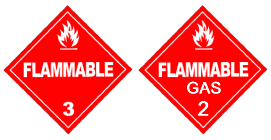
Hazardous Materials
Class 3: Flammable Substances
Flammable Storage Cabinet Features
- 100Lt Cabinet Code SC100
- 2 doors, 1 shelf
- Under bench storage
- viventura patented automated/sequential closing and self-locking mechanisms – unique with only one moving part
- Double walled thermal barrier
- Alloy contact points – no spark risk
- Corner underside levelling bolts
- For added protection, additional undercoat etch is used before high gloss powder coat finish
- Key lock door handles and three-point latch locking
- Doors open 180 degrees for easy shelf removal
- Optional earthing point and cable provided
- Dual side vents
- Adjustable shelf height
- Built to comply with Australian Standards 1940
- Weight 100kg
- External measurements H800 x W1100 x D500