InconX – Pro Nos | Inconel Motorcycle Exhaust
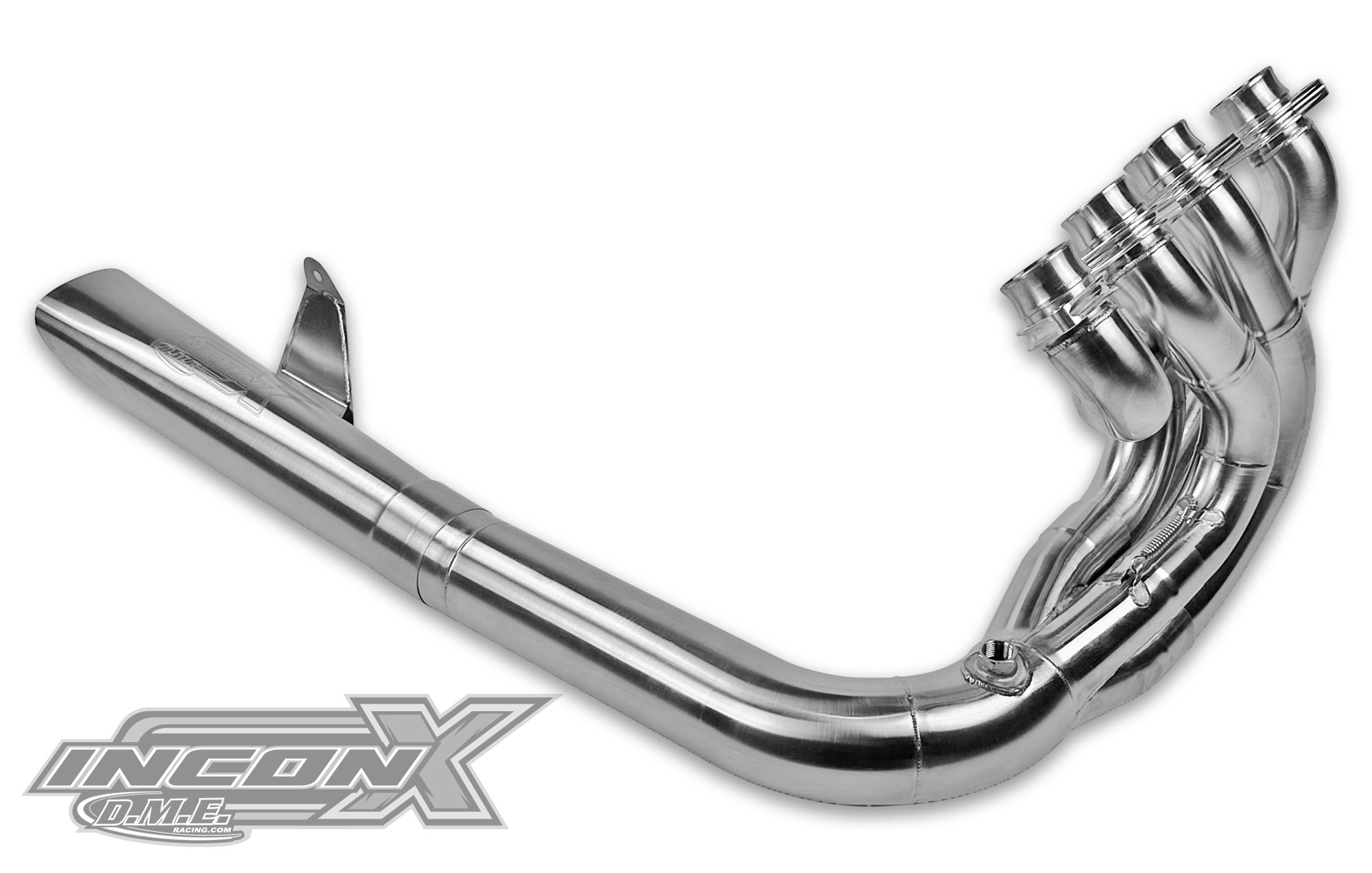
DME Racing proudly unveils the latest addition to our growing product lineup – the InconX Pro Nos Exhaust system, marking a new era of excitement for performance enthusiasts. Meticulously crafted from the advanced nickel-based superalloy, Inconel 625, this high-performance tuned exhaust header is a lightweight marvel, tipping the scales at just 6 lbs. 14 oz. Tailored specifically for Nitrous applications, our sidewinder system features a 17″ megaphone and superior ground clearance. DME Racing’s InconX Pro Nos Motorcycle Exhaust system is a custom 1 7/8″ to 3″ diameter 4-into-1 big tube step header. This system is specifically designed for large engines, NOS motors, and all-out Grudge bikes (short-necked and D-raked). This system fits flush with the bottom case. Some bikes will require modifications to the radiator, see our fitment notes below. FITMENT Suzuki Hayabusa / G1-G2-G3 Suzuki GSX-R1000 / 2001-2017 To ensure proper fitment, you must provide the rear sets you are using. FITMENT NOTES Some motorcycle applications may require radiator modification or repositioning to achieve proper clearance. The oil cooler must be blocked off for installation. When running both a radiator and an oil cooler, a custom mounting solution will be required to properly secure the components. Fairing modification is required on the exhaust/pipe side of the motorcycle to allow adequate clearance for the system. Designed for optimal fitment with DME Racing Billet Oil Pans, but also compatible with OEM oil pans. FEATURES Weight: 6 lbs. 14 oz. Material: Inconel 625 Comes with o2 Bung – 18mm x 1.25 thread OPTIONS EGT (Exhaust Gas Temperature) bungs are welded onto the exhaust header pipes. Includes 3/16″ adaptors. Is Inconel stronger than Titanium? Choosing Between Inconel 625 and Titanium for Performance and Racing Applications When it comes to selecting the best material for performance and racing applications, there are many factors to consider. One of the most crucial decisions is choosing between Inconel 625 and titanium. Both materials have unique properties that make them suitable for different tasks in the high-stress, high-performance world of racing. Let’s take a closer look at these two materials and compare them. Inconel 625 Inconel 625 is a nickel-chromium-molybdenum alloy known for its high strength and corrosion resistance, making it ideal for the demanding conditions of racing engines and exhaust systems. The alloy contains niobium, which strengthens the microstructure, and molybdenum, which provides resistance to pitting and crevice corrosion. Inconel 625 also has excellent weldability and can be fabricated into various shapes, making it versatile for custom racing components. Titanium Titanium is a strong, lightweight metal commonly used in applications requiring high strength and corrosion resistance, such as racing chassis and suspension parts. It is fatigue-resistant and has a low density, making it ideal for components where weight savings are critical, such as in performance bikes and cars. Titanium is also non-toxic and hypoallergenic, making it suitable for use in medical applications and sports equipment. Differences Between Inconel 625 and Titanium Temperature Resistance Inconel 625 has a higher melting point than titanium, allowing it to withstand higher temperatures without deforming. This makes it ideal for use in exhaust systems, turbochargers, and other components exposed to extreme heat. Titanium, while capable of withstanding high temperatures, has a lower melting point and is more suited for structural components where weight reduction is essential. Corrosion Resistance Inconel 625 is more resistant to corrosion than titanium, making it suitable for environments where exposure to corrosive substances is common, such as in marine racing applications or chemically aggressive environments. Titanium also offers good corrosion resistance but is more vulnerable to certain aggressive chemicals compared to Inconel 625. Cost While both materials are relatively expensive, titanium tends to be more costly due to its strength-to-weight ratio and versatility. However, the superior corrosion resistance and high-temperature performance of Inconel 625 can often justify its cost by reducing maintenance and replacement expenses. Physical Properties Strength-to-Weight Ratio Titanium is known for its excellent strength-to-weight ratio, making it a preferred choice for components where minimizing weight is crucial, such as in racing frames and suspension systems. Inconel 625, although heavier, offers higher overall strength and durability, making it suitable for components subjected to extreme stress and high temperatures. Thermal Expansion Both materials have similar thermal expansion rates, which helps reduce stress when components are subjected to extreme temperature changes, such as those experienced in high-performance engines and braking systems. This similarity ensures that parts made from these materials can work harmoniously without causing excessive wear or deformation. Applications in Racing Inconel 625 Uses Due to its high strength and corrosion resistance, Inconel 625 is commonly used in high-performance exhaust systems, turbocharger components, and other parts exposed to extreme heat and corrosive environments. Its excellent weldability and formability also make it ideal for custom-fabricated racing parts. Titanium Uses Titanium is most commonly used in racing applications where weight savings are critical, such as in chassis, suspension components, and body panels. Its high strength-to-weight ratio and corrosion resistance make it ideal for reducing overall vehicle weight while maintaining structural integrity. Conclusion When choosing materials for performance and racing applications, it is important to carefully weigh the pros and cons of each option. Titanium’s lightweight nature and strength-to-weight ratio make it ideal for structural components, while Inconel 625’s superior temperature and corrosion resistance make it perfect for high-stress, high-temperature environments. Ultimately, the choice will depend on your specific application needs. Whether you need lightweight strength or high-temperature durability, both Inconel 625 and titanium offer unique advantages for the racing industry. What is Inconel? Inconel is a family of nickel-chromium-based superalloys known for their excellent corrosion resistance, high-temperature strength, and durability in extreme environments. The name “Inconel” is a combination of the elements in its composition: nickel (Ni) and chromium (Cr). These alloys also often contain other elements such as iron (Fe), molybdenum (Mo), cobalt (Co), and small amounts of other elements. Inconel alloys are widely used in various industries, including aerospace, chemical processing, nuclear reactors, and gas turbines, where they can withstand high temperatures, pressure, and aggressive corrosive environments. They are often utilized in applications such as turbine blades, exhaust systems, chemical processing equipment, and heat exchangers. One of the well-known Inconel alloys is Inconel 600, which is composed mainly of nickel and chromium with good resistance to corrosion and oxidation at elevated temperatures. Inconel 625, Inconel 718, and Inconel 825 are other commonly used alloys within the Inconel family, each tailored to specific applications and requirements. The unique properties of Inconel make it suitable for challenging conditions where other materials might fail. About Inconel 625 Inconel 625 is a nickel-based superalloy known for its exceptional corrosion resistance, high strength, and versatility in various demanding environments. Here are some key characteristics and applications of Inconel 625: Composition: Inconel 625 is primarily composed of nickel (Ni) and chromium (Cr), with significant additions of molybdenum (Mo) and niobium (Nb). It also contains smaller amounts of iron (Fe), tantalum (Ta), and other elements. Corrosion Resistance: Inconel 625 exhibits excellent resistance to corrosion in a wide range of environments, including seawater, acids, and acidic chloride solutions. This makes it suitable for applications in chemical processing, marine engineering, and oil and gas industries. High-Temperature Strength: The alloy maintains its strength and integrity at elevated temperatures, making it suitable for use in high-temperature environments such as gas turbine engines, aerospace components, and heat exchangers. Oxidation Resistance: Inconel 625 is highly resistant to oxidation and scaling at high temperatures, contributing to its performance in applications involving exposure to hot gases. Fatigue Strength: The alloy has good fatigue strength, making it suitable for cyclically loaded components in aerospace and other applications. Weldability: Inconel 625 is weldable using various techniques, allowing for the fabrication of complex structures and components. How is Inconel an advantage? Using Inconel in an exhaust system can offer several advantages over traditional materials like stainless steel, especially in high-performance or demanding applications: High-Temperature Resistance: Inconel alloys maintain their mechanical properties at high temperatures, making them well-suited for exhaust systems that experience elevated temperatures due to combustion processes. This helps prevent deformation and degradation of the material. Corrosion Resistance: Inconel provides excellent corrosion resistance, particularly in harsh environments with exposure to corrosive gases, acids, and elevated temperatures. This is crucial in exhaust systems where corrosive byproducts of combustion, such as sulfuric acid, can be present. Oxidation Resistance: Inconel alloys are highly resistant to oxidation and scaling at high temperatures. This is important in exhaust systems where components are exposed to hot exhaust gases, preventing the material from deteriorating over time. Durability and Longevity: The robust nature of Inconel contributes to the durability and longevity of the exhaust system. It can withstand the harsh conditions associated with high-performance engines, reducing the likelihood of premature failure. Creep Resistance: Inconel’s resistance to creep, or gradual deformation under sustained stress at high temperatures, is beneficial in exhaust systems where components are subjected to prolonged exposure to heat. Reduced Weight: Inconel alloys are known for their high strength-to-weight ratio. Using Inconel components in an exhaust system can contribute to weight savings compared to some alternative materials, which is often desirable in high-performance applications. Improved Performance: Inconel’s properties contribute to improved overall performance of the exhaust system, especially in applications where high temperatures, aggressive environments, and durability are critical factors. It’s worth noting that while Inconel offers these advantages, it may also come with higher material costs compared to some other materials. The choice of material for an exhaust system depends on factors such as the specific requirements of the application, budget constraints, and the desired balance between performance and cost. Why do Inconel exhaust systems turn colors once heated? The phenomenon of Inconel exhaust systems changing colors when heated is primarily due to the oxidation and formation of oxide layers on the surface of the material. This color change is a result of the interplay between the high temperatures experienced by the exhaust system and the reactions with oxygen in the air. As the Inconel alloy in the exhaust system is exposed to high temperatures, it undergoes oxidation. The specific oxide compounds that form on the surface at different temperatures result in the characteristic colors. The colors observed typically follow a sequence: Yellow/Straw: At lower temperatures, the oxide layer on Inconel surfaces may exhibit a yellow or straw color. This is often seen during initial heat-up phases. Purple/Blue: As temperatures increase, the oxide layer may transition to shades of purple and blue. This coloration is due to the presence of specific oxide compounds, often referred to as “interference colors.” Brown: At even higher temperatures, a brownish tint may develop on the surface as the oxide layer continues to evolve. Grey/Black: In extreme cases or under prolonged exposure to very high temperatures, the oxide layer may appear grey or black. These color changes are primarily cosmetic and do not necessarily indicate a problem with the material’s performance. The formation of the oxide layer actually contributes to the corrosion resistance of Inconel alloys, as it serves as a protective barrier against further oxidation and corrosion. The specific colors observed can vary depending on factors such as the alloy composition, the duration and temperature of exposure, and the specific conditions of the exhaust environment. While the color change itself is normal, it’s essential to monitor the overall condition of the exhaust system to ensure that it continues to function effectively despite the cosmetic alterations. How does the DME Racing Reversion Cone Eliminate Exhaust Reversion? Reversion is where exhaust gases flow back into the combustion chamber contrary to their intended direction and can negatively impact engine performance. The DME Racing Reversion Cone is specifically designed to modify the flow of exhaust gases in a controlled manner to increase the engine’s overall efficiency by reducing drag and increasing thrust to improve your motorcycle’s performance. What is Exhaust Reversion? Exhaust reversion is a phenomenon that occurs in internal combustion engines, including those in motorcycles, where exhaust gases flow back into the intake system or combustion chamber during specific conditions in the engine’s operation. It is also known as exhaust gas reversion. Here’s how exhaust reversion happens: Intake Valve Timing: In a four-stroke engine, the intake valve opens to allow the air-fuel mixture to enter the combustion chamber during the intake stroke. The intake valve opening and closing timing is carefully controlled to optimize engine performance. However, at certain engine speeds and conditions, particularly at low RPMs and during valve overlap (when both the intake and exhaust valves are partially open simultaneously), exhaust gases can flow backward into the intake manifold. Pressure Waves: As the exhaust gases exit the engine through the exhaust system, they create pressure waves that travel down the exhaust pipes. These waves can interact with the opening intake valve, causing a pressure pulse that pushes some of the exhaust gases back into the intake system. Exhaust Reversion can have several negative effects on engine performance: Reduced Efficiency: When exhaust gases flow back into the intake system, they displace fresh air-fuel mixture, leading to a less efficient combustion process. Lower Power Output: The presence of exhaust gases in the intake system reduces the oxygen content in the combustion chamber, leading to incomplete combustion and reduced power output. Increased Heat: Exhaust gases are much hotter than the intake charge. When reversion occurs, it can introduce excessive heat into the intake system, potentially leading to engine overheating. To mitigate exhaust reversion and optimize engine performance, tuners use various techniques, such as tuning the intake and exhaust system design, using tuned exhaust headers, adjusting valve timing, and implementing variable valve timing technologies. These measures help minimize the negative effects of exhaust reversion and ensure efficient engine operation across a wide range of RPMs and loads.
Hazardous Materials
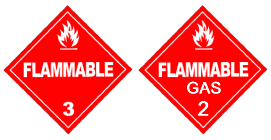
Class 3: Flammable Substances
Flammable Storage Cabinet Features
- 100Lt Cabinet Code SC100
- 2 doors, 1 shelf
- Under bench storage
- viventura patented automated/sequential closing and self-locking mechanisms – unique with only one moving part
- Double walled thermal barrier
- Alloy contact points – no spark risk
- Corner underside levelling bolts
- For added protection, additional undercoat etch is used before high gloss powder coat finish
- Key lock door handles and three-point latch locking
- Doors open 180 degrees for easy shelf removal
- Optional earthing point and cable provided
- Dual side vents
- Adjustable shelf height
- Built to comply with Australian Standards 1940
- Weight 100kg
- External measurements H800 x W1100 x D500